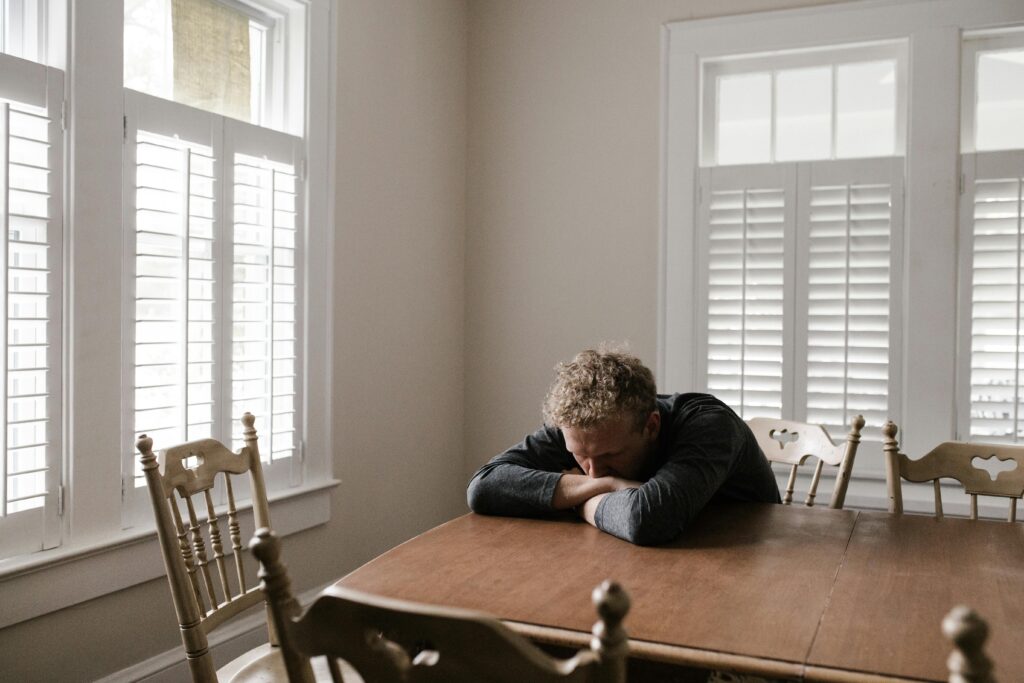

We’ve all heard the word burnout, but few truly recognise it until it is too late and we crash and burn on a downward spiral and we have no tools to get us out of the rut.
One day you’re keeping up with work, family, and social life. The next, you’re running on autopilot, exhausted no matter how much you rest, wondering what’s wrong with you.
The truth? You’re not lazy. You’re burnt out.
And burnout isn’t just about being tired — it’s about being emotionally, mentally, and physically depleted from carrying too much for too long.
Here’s how to spot burnout early, and what you can do to recover — before it consumes you.
🧠 1. What Burnout Really Is
Burnout isn’t simple stress. Stress happens when you have too much to do and too little time.
Burnout happens when you’ve been under stress for so long that your energy, motivation, and joy have all run out.
Psychologist Herbert Freudenberger first coined the term in the 1970s to describe exhaustion caused by “helping” professions — but today, it affects everyone: students, parents, employees, and even business owners chasing constant goals.
Burnout is your body’s way of saying:
“I can’t keep living at this pace anymore.”
⚠️ 2. Common Signs You’re Burning Out
You don’t wake up burnt out overnight — it creeps in slowly.
Here are some red flags to look for:
-
Constant fatigue — You’re tired even after sleeping.
-
Loss of motivation — Work or activities you once loved now feel meaningless.
-
Irritability or emotional numbness — You either snap easily or feel nothing at all.
-
Trouble concentrating — Simple tasks feel impossible.
-
Physical symptoms — Headaches, tight shoulders, frequent colds.
-
Withdrawal — Avoiding people or social situations.
-
Feeling trapped — Like there’s no way out of your routine.
If more than three sound familiar, it’s time to take a step back.
💬 3. Why Burnout Happens
Burnout isn’t just about overwork. It’s often about imbalance — between giving and resting, doing and being.
Common causes include:
-
Unrealistic expectations (from yourself or others)
-
Lack of control at work or home
-
Perfectionism — feeling you can never do enough
-
Emotional overload — constantly caring for others
-
Isolation — no one to share the burden with
Even good things — passion projects, success, ambition — can lead to burnout if they’re not paired with recovery time.
🌧️ 4. How Burnout Feels
Burnout doesn’t always look dramatic. Sometimes it’s quiet — like the slow dimming of light.
You might find yourself saying things like:
“I’m fine. I just need to push through.”
“I don’t care anymore.”
“What’s the point?”
These thoughts are symptoms, not truths. Burnout changes how your brain processes motivation and pleasure — so the things that used to energise you temporarily stop working.
That’s not weakness; it’s biology. Your body is trying to protect you by shutting down non-essential functions.
🕯️ 5. The First Step to Recovery: Stop Ignoring It
The hardest part of burnout recovery is acknowledging it’s happening.
We live in a culture that glorifies being busy — so slowing down feels like failure. But rest isn’t a reward; it’s maintenance.
If you’re burnt out:
-
Take time off, even a weekend of true disconnection.
-
Cancel non-urgent plans without guilt.
-
Let someone know — a friend, manager, or family member.
Burnout heals only when you give yourself permission to pause.
🪞 6. Rebuild Your Energy — One Layer at a Time
Recovering from burnout isn’t about a single vacation or self-care day. It’s about rebuilding your life in gentler ways.
Here’s a practical roadmap:
1️⃣ Rest the Body
Sleep properly, eat regular meals, and hydrate. Your body can’t restore mental clarity when it’s undernourished or sleep-deprived.
2️⃣ Rest the Mind
Take breaks from screens and constant stimulation. Replace social media with quiet hobbies — reading, drawing, journaling, or walking.
3️⃣ Rest the Soul
Reconnect with what brings meaning: faith, creativity, or nature. Burnout often thrives when purpose fades — so rediscover what lights you up.
4️⃣ Set Boundaries
Learn to say “no” or “not now.” Protect your time and attention as if they were money — because they are.
🧩 7. Rethink Productivity
Burnout often stems from the belief that our worth equals our output.
But being constantly productive is not sustainable — it’s a straight road to collapse.
Ask yourself:
-
What truly matters today?
-
What can I let go of?
-
Am I doing this out of purpose or pressure?
The goal isn’t to do more. It’s to do what matters — and do it without losing yourself in the process.
🌤️ 8. Talk It Out
You don’t have to go through burnout alone.
Sharing how you feel with someone you trust can ease the weight instantly.
And if your burnout has affected your sleep, mood, or physical health for weeks, it might be time to talk to a professional.
Trusted Malaysian resources include:
-
Befrienders KL (24 hrs): +603-7627 2929
-
Talian HEAL (MOH): 15555
-
Relate Malaysia: www.relatemalaysia.com
-
MMHA: www.mmha.org.my
Therapists and counsellors aren’t there to judge — they’re trained to help you recover safely and sustainably.
🌈 9. Moving Forward
Burnout doesn’t mean you’re broken; it means you cared deeply for too long without care for yourself.
Recovery might take weeks or months, but you’ll come back clearer, calmer, and more intentional.
Take it slow. Celebrate small improvements.
Every time you rest instead of overwork, you’re building a new version of yourself — one that thrives, not just survives.
💬 Final Thoughts
Burnout doesn’t happen overnight — and neither does healing.
But both begin with awareness.
You’ve already taken the first step just by reading this.
So today, pause.
Take a deep breath.
And remind yourself:
You are human. Rest is not a weakness — it’s wisdom.
Reach out. Rest. Rebuild. You deserve to feel whole again.